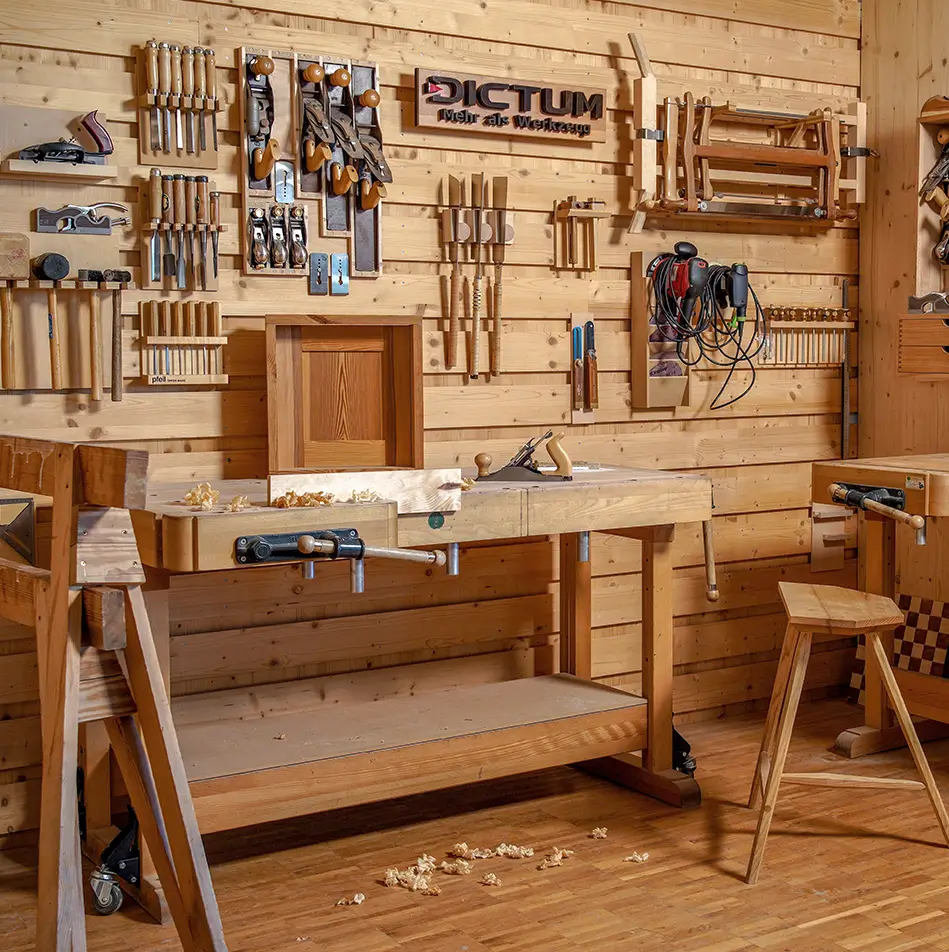
Tool knowledge

Measure, check, transfer and set angles
In this article, we will introduce you to helpful tools for mastering these tasks.

Edge and bevel plane
You have further options for rounding and decorating the edges with different edge and bevel planes.
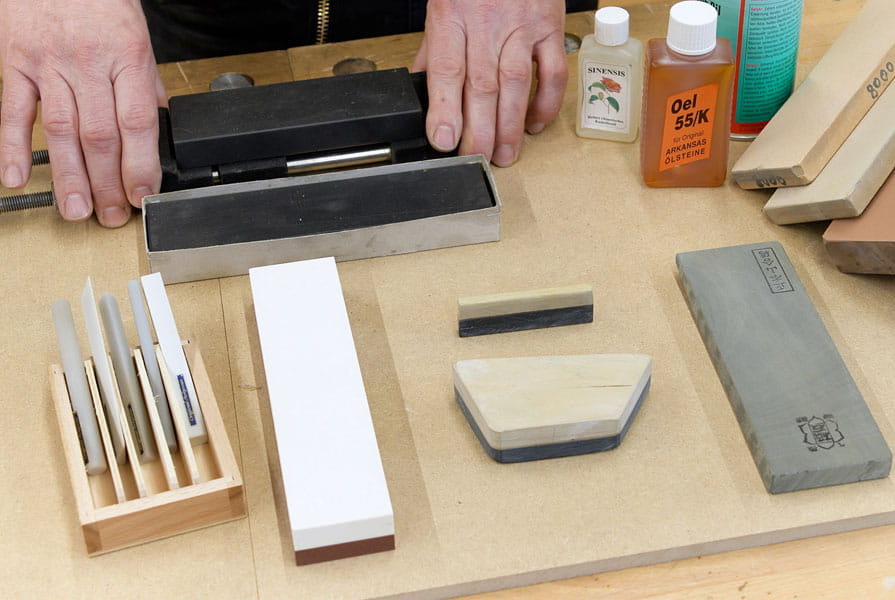
Oil stones vs. water stones
What is the difference between oil and water sharpening stones? When is it better to use one sharpening system and when the other? What are the differences between oil stones and water stones?

Steel types for DICTUM® plane irons
With numerous DICTUM hand planes, you have the choice between different planing tools made from different steels. We explain the differences.

Alternative grinding discs for wet grinders
In addition to the usual replacement discs, grinding discs with different grit sizes and abrasives are also available for wet-grinding machines

Tools for pruning trees
What is the difference between oil and water sharpening stones? When is it better to use one sharpening system and when the other? What are the differences between oil stones and water stones?

How to find the right scythe
There are different scythe shapes for different tasks in the garden and in the field. In this article, we will give you tips on how to select a suitable scythe blade and how to adjust the scythe arm to your individual proportions.

Interesting facts about hammers
The variety of different hammer models shows us that it is worth taking a closer look.
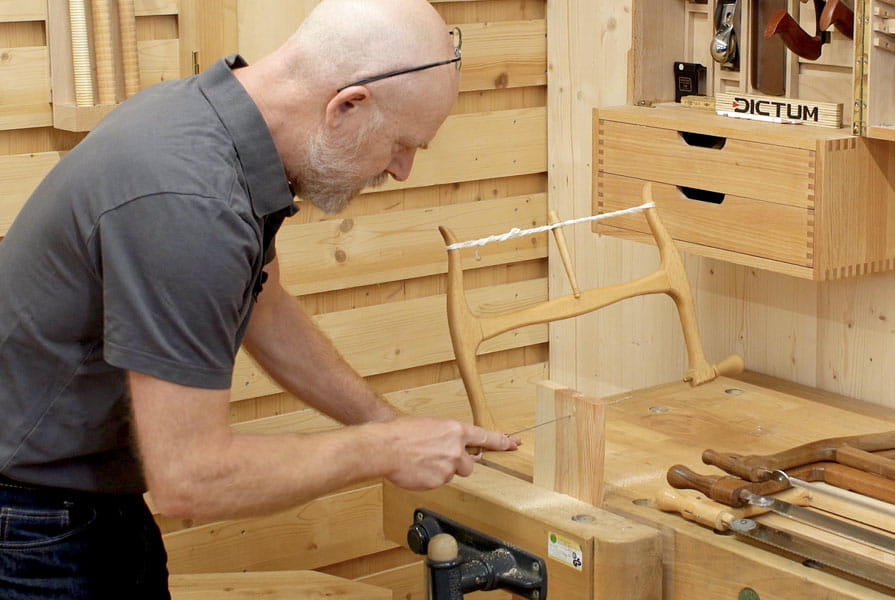
Tips for working with the frame saw
In this blog post, we explain the design and function and provide tips for working with frame saws.
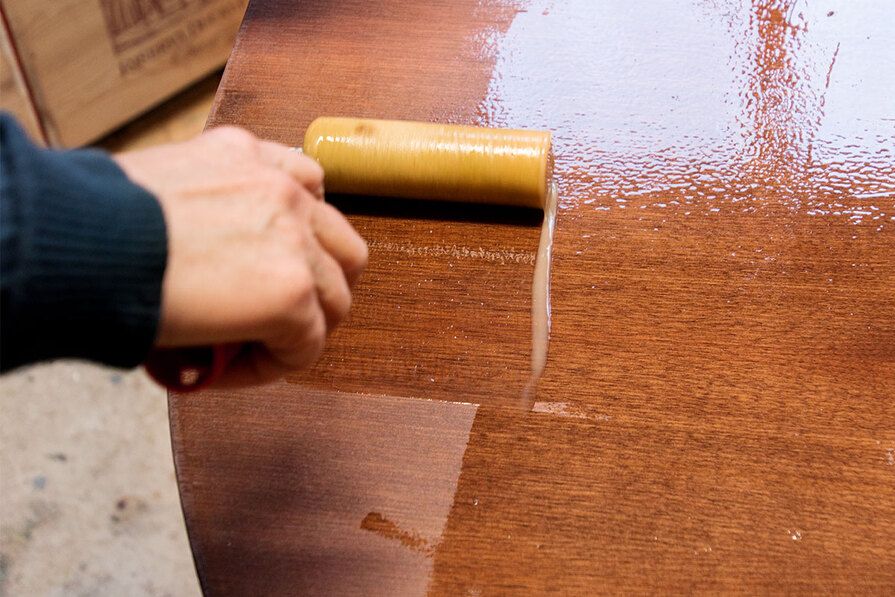
Brush, roller or sponge - which is better?
Different application tools are suitable for different paints, such as oils, varnishes or stains.
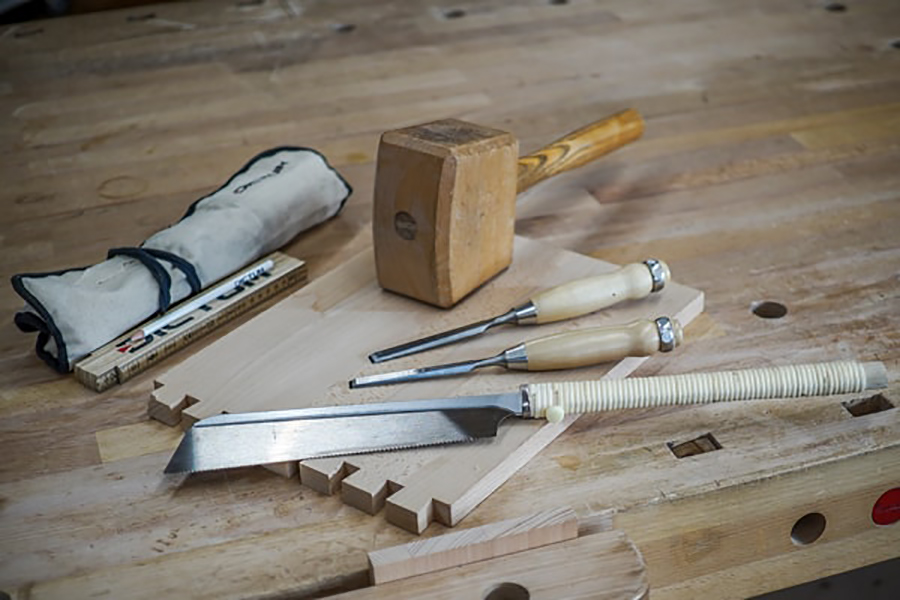
Basic tool equipment for the woodworking shop
If you initially want to implement simple ideas, a relatively small selection of tools will suffice. Divide your project into three sections to concretise the tool list.
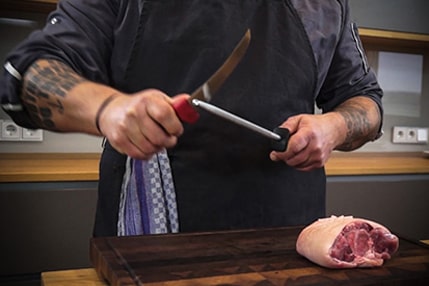
Sharpening tools: 5 methods for sharpening knives
There is no one-size-fits-all recipe for sharpening knives. What counts is the result. We present five sharpening methods for knives.
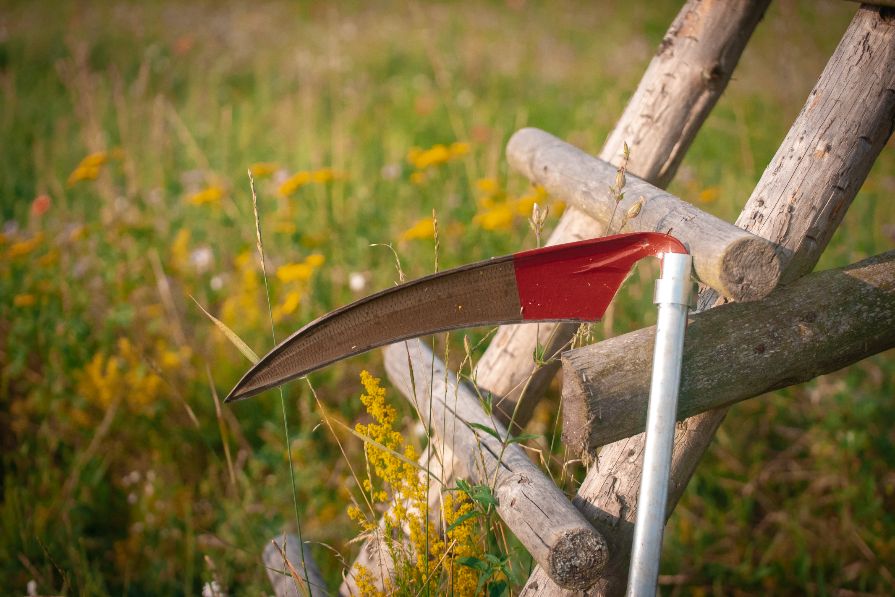
Thinning tools: handling sickle, scythe and machete
Nature can hardly be tamed and requires constant maintenance if the garden is not to become a jungle.

Adjusting band saws and changing the saw blade
The band saw is one of the most popular stationary machines in the woodworking shop. It is versatile and expands the production possibilities enormously.
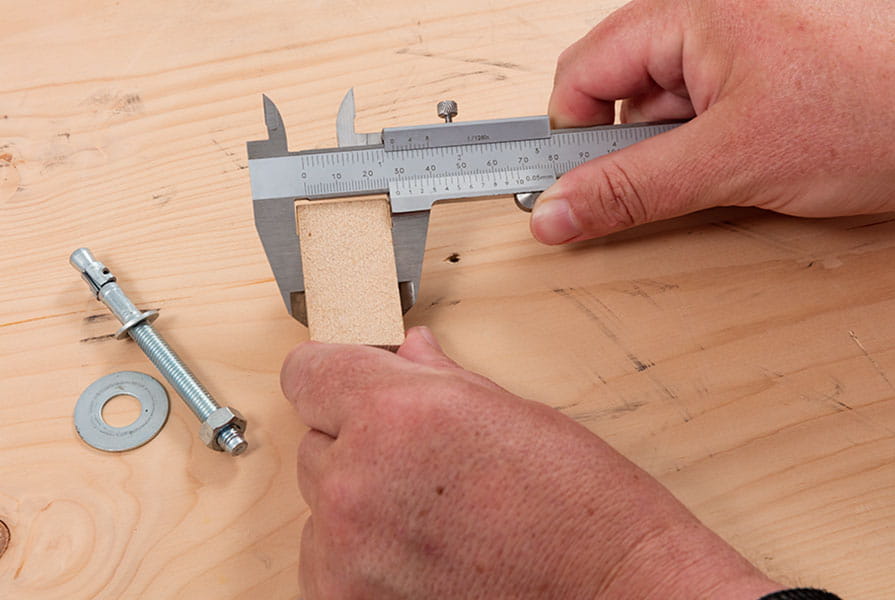
Callipers and calipers
The folding rule is a favourite measuring tool for many craftsmen, especially in metalworking.

Working on the workbench
When working on the workbench, three aspects need to be considered more closely: The height, the weight and the clamping options are particularly important. In this blog post, we look at these points in detail and provide tips for working on the workbench.

Hand plane comparison
We present three standard planers, each of which can perform a wide range of different tasks in their respective fields.

Which plane for what?
There are countless types of hand planes: finishing and plastering planes, roughing planes, moulding planes, rabbeting planes and many more.

Sharpening scraper blades
We would like to introduce you to this often underestimated tool and explain how to sharpen a scraper and use it correctly.
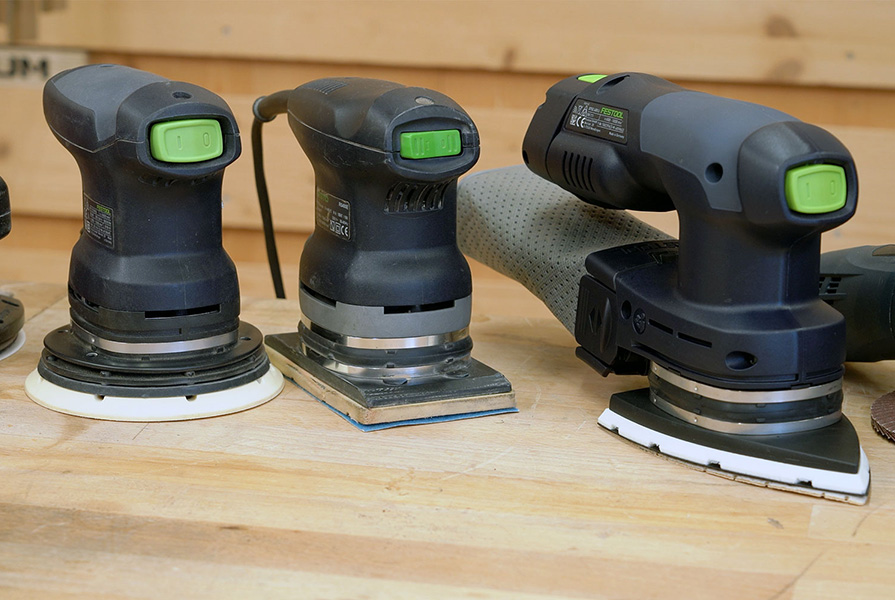
Delta sander, belt sander, random orbital sander and co. - which one for what?
In this blog, we take a look at the different hand sanders and show which machines are best suited for which sanding tasks.
Which plane for what?
There are countless types of hand planes: finishing and plastering planes, roughing planes, moulding planes, rabbeting planes and many more.
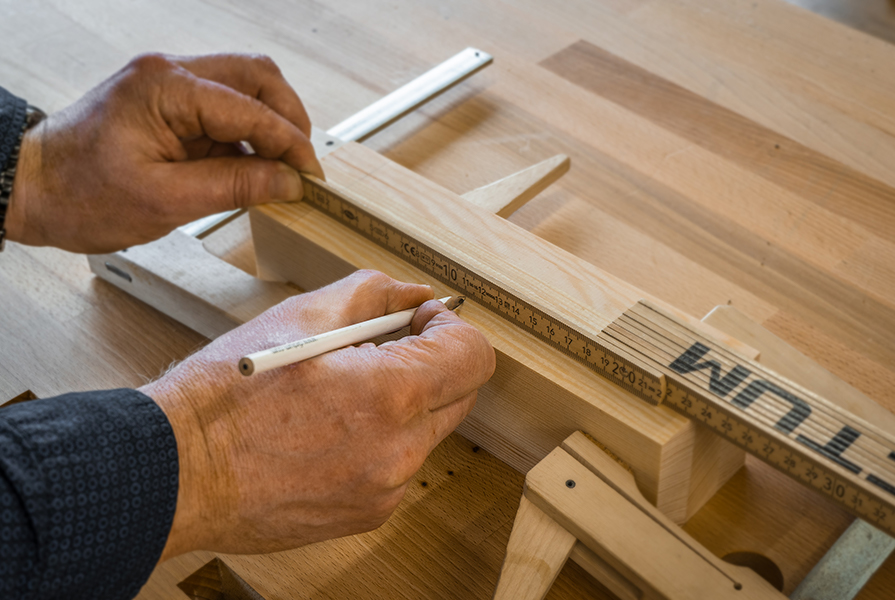
Inches in cm - find the correct value immediately
Inch in cm, inch in mm, inch in cm - find all common formats easily. From 1 inch in cm to 80 inches in cm. Plus lots of information on other measurements such as feet and board feet.

Wood planes - maintenance and care
We'll show you how to get your "old favourite" up and running or planing again.

Shaving plane
In this article, we take a closer look at the most commonly used metal models with straight and rounded planer soles.

Pockethole
Pockethole joints are a quick and easy way for DIY enthusiasts to join workpieces together.

Workbench functions
When processing wood, you must be able to process your workpieces in three layers on the workbench: on the surface, on the edges and on the ends. Your workbench should enable this processing with appropriate functions and clamping devices.

Sewing, cutting and processing leather
You don't need a lot of space for this hobby and the tools required are also limited.
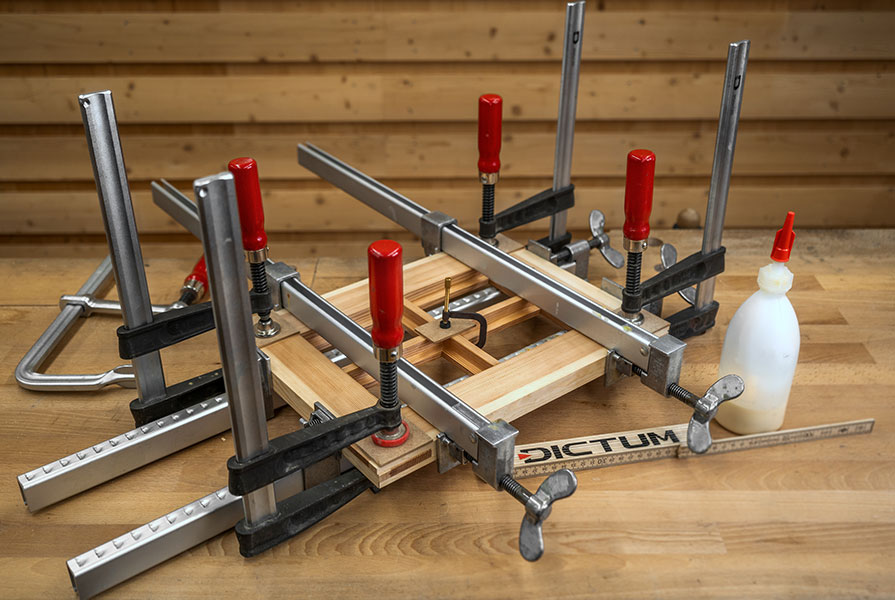
The right clamp for every purpose
With the right clamp, you can complete any clamping task reliably and precisely.

Scroll saws - How to find the right saw blade
We give you tips on how to choose the right saw blade for you and your projects.
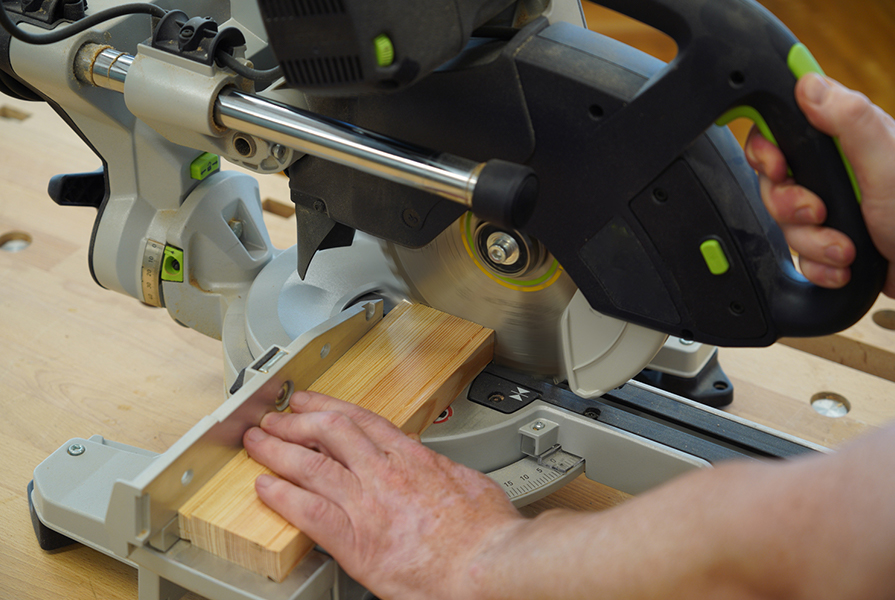
Buying a mitre saw - what you need to know
Are you looking for a suitable cross-cut, mitre or pull saw for your workshop? Then you should bear in mind the tasks you usually have to perform.