Compact saws / mini saws


Compact saws / mini saws
EXPERT KNOWLEDGE COMPACT & MINI SAWS
A quick note: this category covers hand tools only — no mini circular saws, mini chainsaws, cordless mini saws, or similar power tools.
Which mini saw should I choose?
The term »mini saw« covers a wide range of saw types designed for very different tasks. Our selection features blades from 110 mm to 180 mm in length. The main advantages are compact size and light weight — but despite the name, these are not simply scaled-down saws for small jobs. Many are specialist tools in their own right. To help you find the right one, we have organised this range by design and intended use.
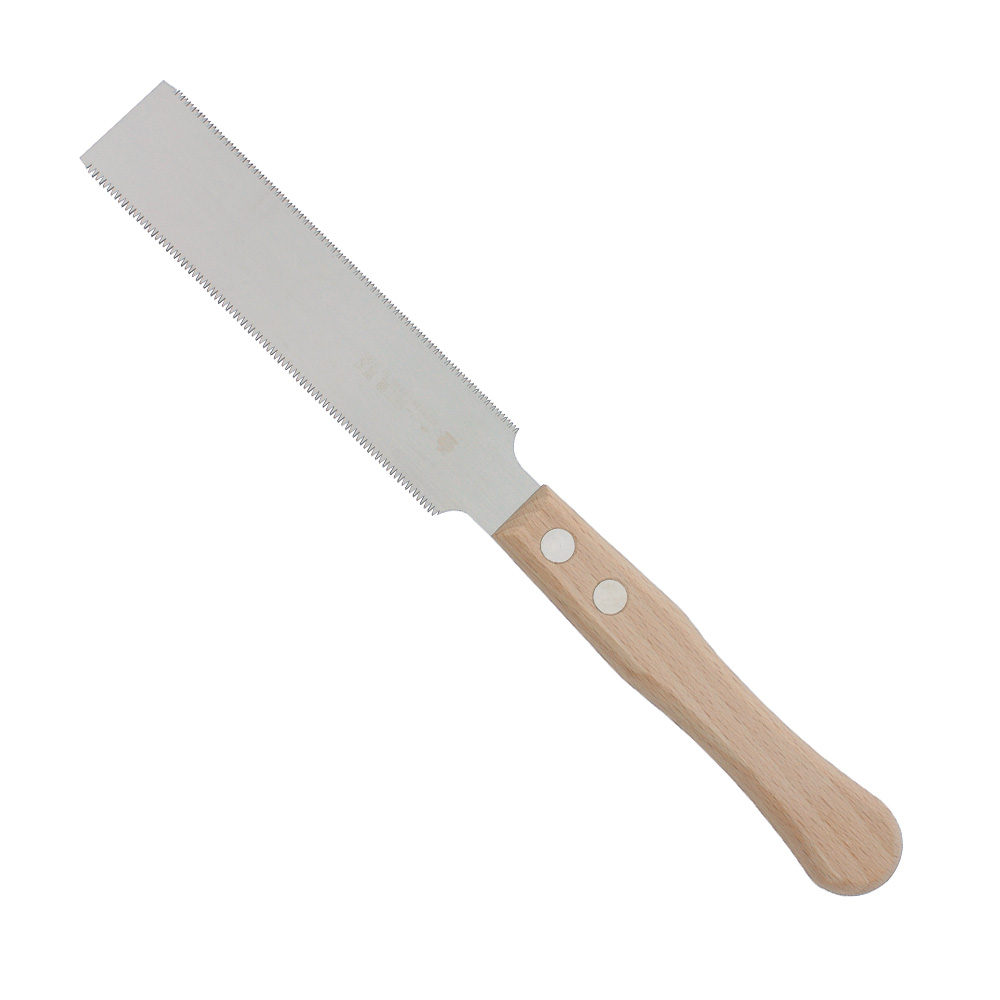
- Fixed-blade mini saws are essentially full-featured hand saws in a smaller format, built along the same lines as their full-sized counterparts. The reduced size makes them particularly well suited to fine, detailed work — model making, for instance, or cutting in confined spaces. Slightly larger models, which we list as Compact saws, are available in three configurations: Dozuki, Kataba, and Ryoba. These are excellent for cutting dovetails and other joinery, and travel well in a tool bag.
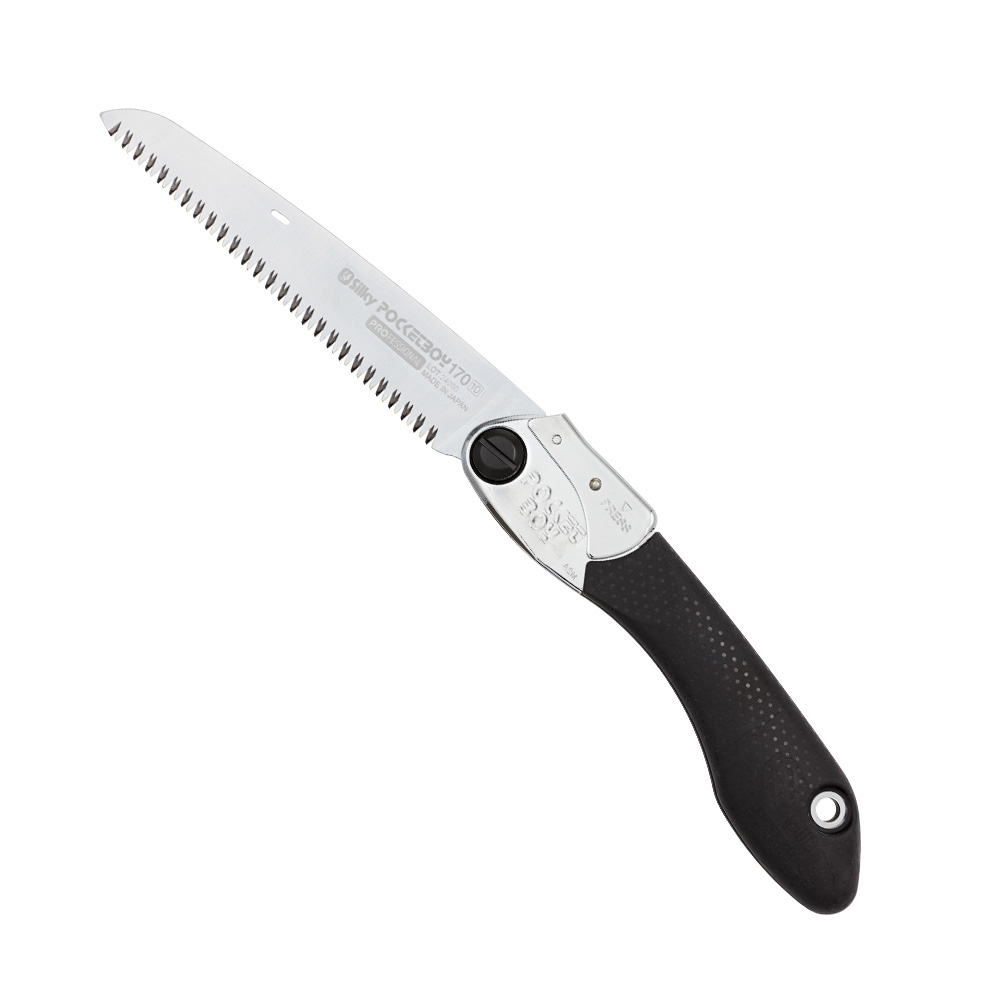
- Folding mini saws have a short blade and a correspondingly compact handle that folds away for safe storage. Lighter and more portable than standard folding saws, they are a popular choice for outdoor use — hiking, trekking, bushcraft, and survival. Some models are also well suited to woodworking and general trade use.
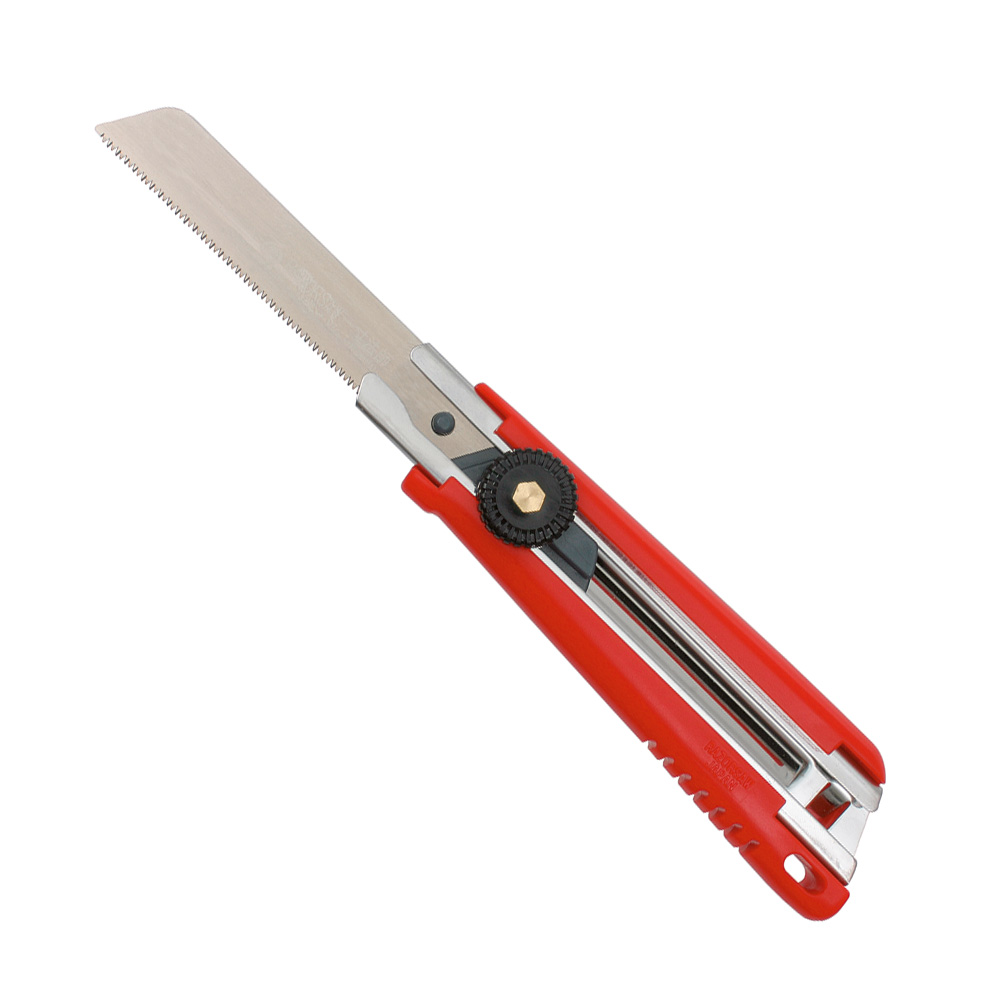
- Cutter saws are built along the lines of a utility knife: instead of a blade, a thin saw blade is fitted and can be extended or retracted in the same way as a snap-off knife blade. These are ideal for tradespeople and DIY enthusiasts looking for a compact, always-to-hand saw that fits neatly in a tool bag.
Depending on your intended use, the following categories may help guide your decision:
- What material will you be cutting? Most mini saws handle both wood and metal. Saws designed for wood will generally also cope well with many plastics. For composite materials or fibre-reinforced plastics, choose a mini saw intended for metal.
- Site work and on-the-go cutting. For tradespeople who need a reliable saw on site, during installation work, or for repairs, a folding mini saw or cutter saw is a practical choice. Both take up minimal space in a tool bag, and the blade is safely enclosed within the handle during transport.
- Mini saws for joinery. For model making and precision woodwork — Japanese kumiko, dolls' house furniture, and similar — mini Japanese saws are the natural choice. In terms of accuracy, they are a match for any full-sized Ryoba, Kataba, or Dozuki. In fact, some mini Japanese saws rank among the finest examples of the type available.
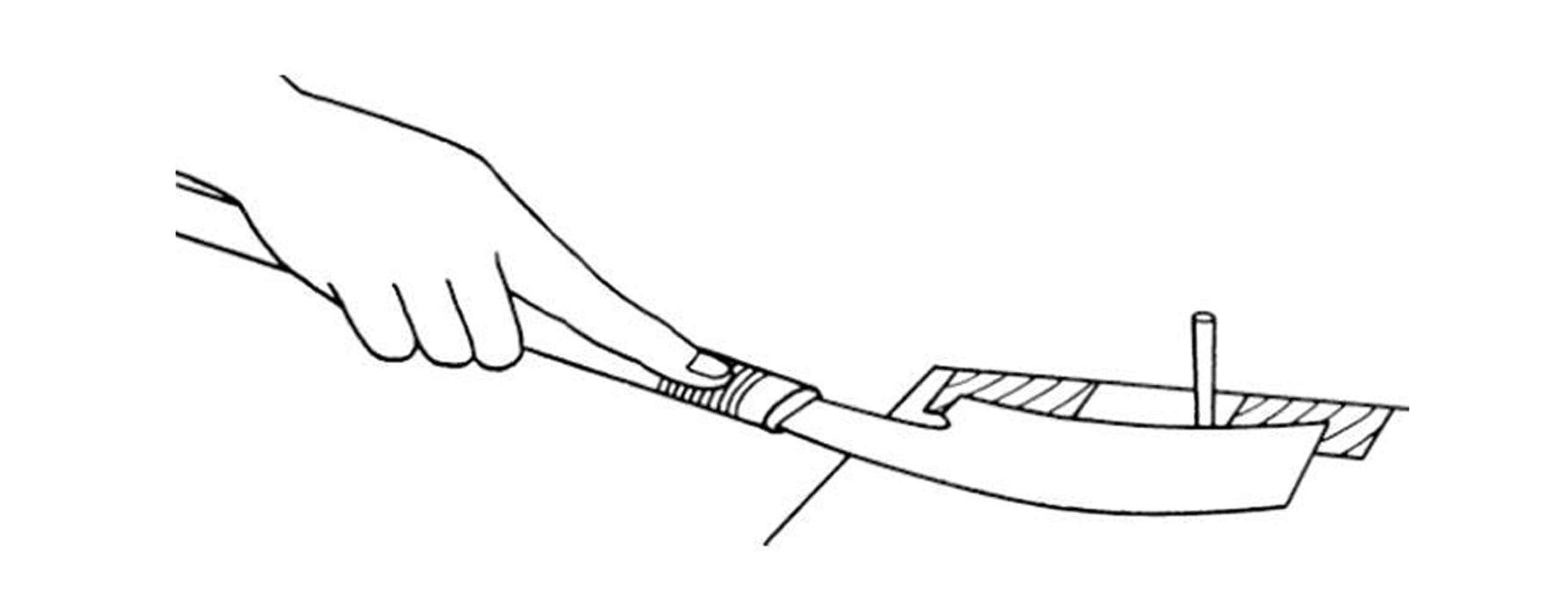
- Flush-cut saws, also known as Kugihiki or dowel saws, are designed for trimming wooden dowels and plugs flush with the surrounding surface. The blade is thin and flexible, allowing it to lie flat against the workpiece. The teeth are typically unset to prevent scratching the surface. They are equally useful for very fine, shallow cuts.