
Urushi


Urushi
EXPERT KNOWLEDGE URUSHI
How is Urushi lacquer produced?
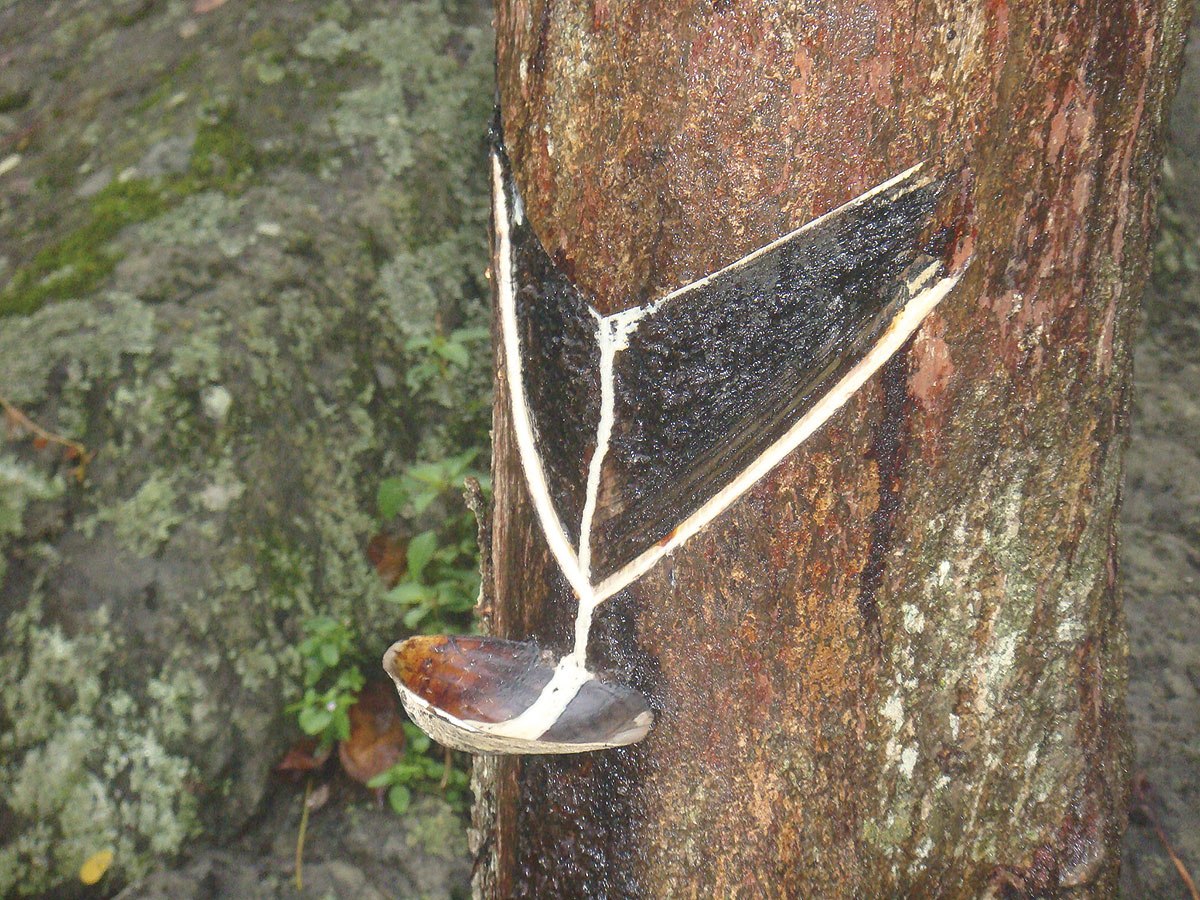
Urushi is obtained from sumac plants grown in subtropical regions. However, for quality reasons, only three of the more than 200 different sumac plants are used to produce Urushi. For this purpose, the tree is scarified every four to five days so that the tree releases the lacquer sap. On average, three litres of lacquer sap are harvested daily from 150 trees with a diameter of 30 cm. This corresponds to a harvest of 20 ml per tree. Urushi lacquer can only be harvested from mid-June to the end of September. This makes this lacquer a rarity. As soon as no more lacquer sap can be harvested, the trees are sawn into small pieces, soaked in water for ten days and boiled. However, the varnish obtained by boiling then has a high water content, which is why it can only be used for primers.
What are the advantages of Urushi lacquer?
Urushi lacquer is very popular because of its unique properties. It is extremely durable and resistant to ageing - even centuries-old objects with an Urushi coating are often virtually unharmed. Its resistance to water, heat, alcohol content, acids, alkalis and solvents makes it superior to many modern furniture lacquers.
After curing, Urushi is also food-safe, making it ideal for objects such as rice or tea bowls.
What are the properties of Urushi lacquer?
Japanese Urushi lacquer can be applied in any number of layers and adheres to numerous materials such as wood, clay, fabric, paper and metal. This makes it ideal for arts and crafts projects. Urushi creates a fascinating, deep sheen and enables both coloured and transparent surfaces as well as an intense black.
Why are Urushi lacquerware so valuable?
Urushi is only produced in limited quantities, as its production is a demanding and time-consuming process that requires specialised expertise. Objects coated with Urushi are therefore considered extremely valuable. These lacquerware items mostly originate from China or Japan. Despite numerous endeavours, it has not yet been possible to reproduce Urushi artificially. The application of the lacquer also requires a careful and complex lacquering technique.
What is Urushi lacquer used for?
In the past, lacquer was used as a protective coating and decorative material for a wide variety of objects. It was even used to coat machine parts and entire temples. Since the invention of synthetic resins, its use today is limited to lacquer art such as high-quality furniture, shawls, tins and jewellery.
What do I need to be aware of when working with Urushi (Japanese lacquer)?
IMPORTANT: Urushi in its liquid state can cause irritation to the skin and mucous membranes (urushiole) and can lead to allergic reactions in some people, including the formation of severe water blisters on the skin. It is therefore important to wear appropriate protective equipment when curing and processing. Solvent-resistant gloves are best suited for this.
When dry, the painted objects are completely harmless - and even food-safe.
Urushi techniques!
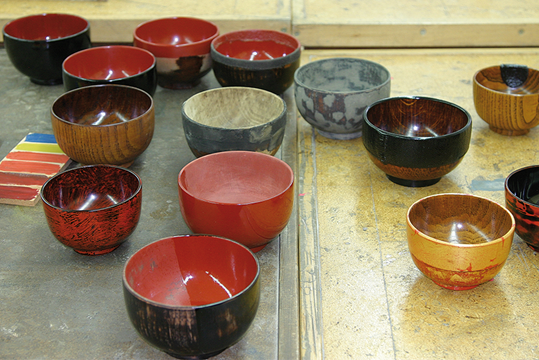
The main techniques of applying lacquer, Nuritate and Roiro, differ primarily in the way the top coat is applied. They form the basis of Urushi art.
However, the real magic lies in the finishing touches: decorative layers, inlays or engravings make each object unique, often using materials such as textured leather or shells. There are numerous specialised techniques in Japan, most of which are reserved for experienced restorers or lacquer artists.
Suri Urushi
Application:
The application of Suri Urushi is suitable for many turned objects or handles.
However, smaller furniture objects can also be easily coated with Suri Urushi.
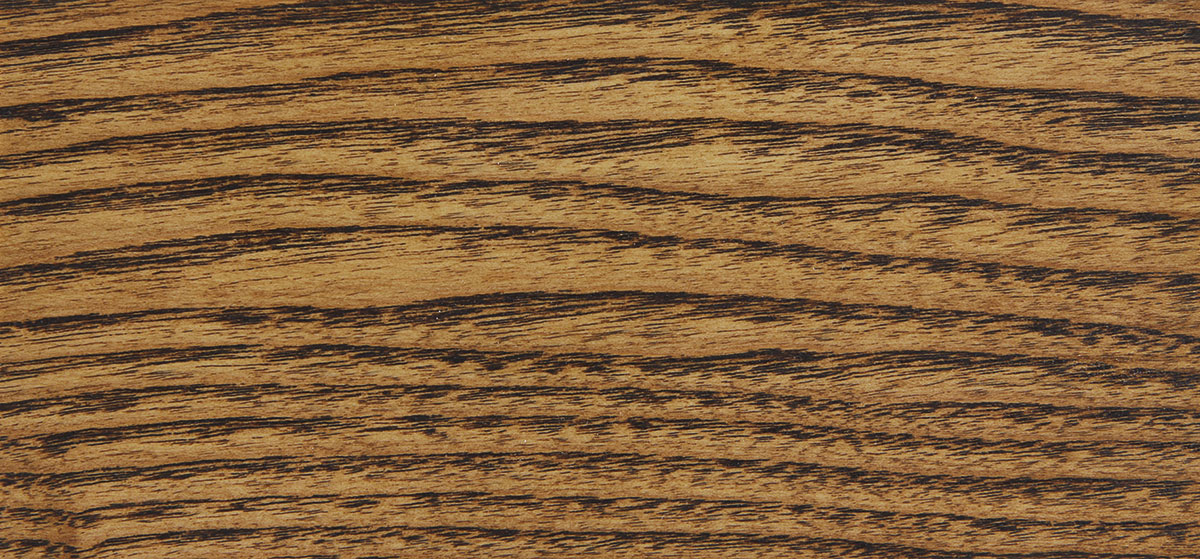
Neutral-coloured woods with a beautiful structure such as elm, chestnut, ash, beech, alder and birch are particularly suitable for coating. The varnish colours the wood slightly darker.
Coating process:
- Pre-sand with 600 grit Abrasive paper sandpaper.
- Dilute the Ki Urushi for Suri Urushi with Balsamic turpentine oil (up to the last coat).
without thinning, the proportion of thinner is reduced with each application).
- Apply with a brush.
- Then rub with polishing paper to massage the varnish into the pores.
- Allow to dry for 24 hours (room temperature 10-24 °C, high humidity 80-85 %).
Professionals use a humidity cabinet for this process, but a cardboard box filled with damp varnish is sufficient for smaller objects.
a cardboard box lined with damp varnish is sufficient.
- For optimum protection of the varnish, a five-coat application is recommended.
Tip: Naturit Urushi Oil - Natural Urushi colour - easy to apply.
