
Garden





Garden
EXPERT KNOWLEDGE GARDEN TOOLS
What work is regularly carried out in the garden and what gardening tools are needed?
Garden tools are categorised by task:
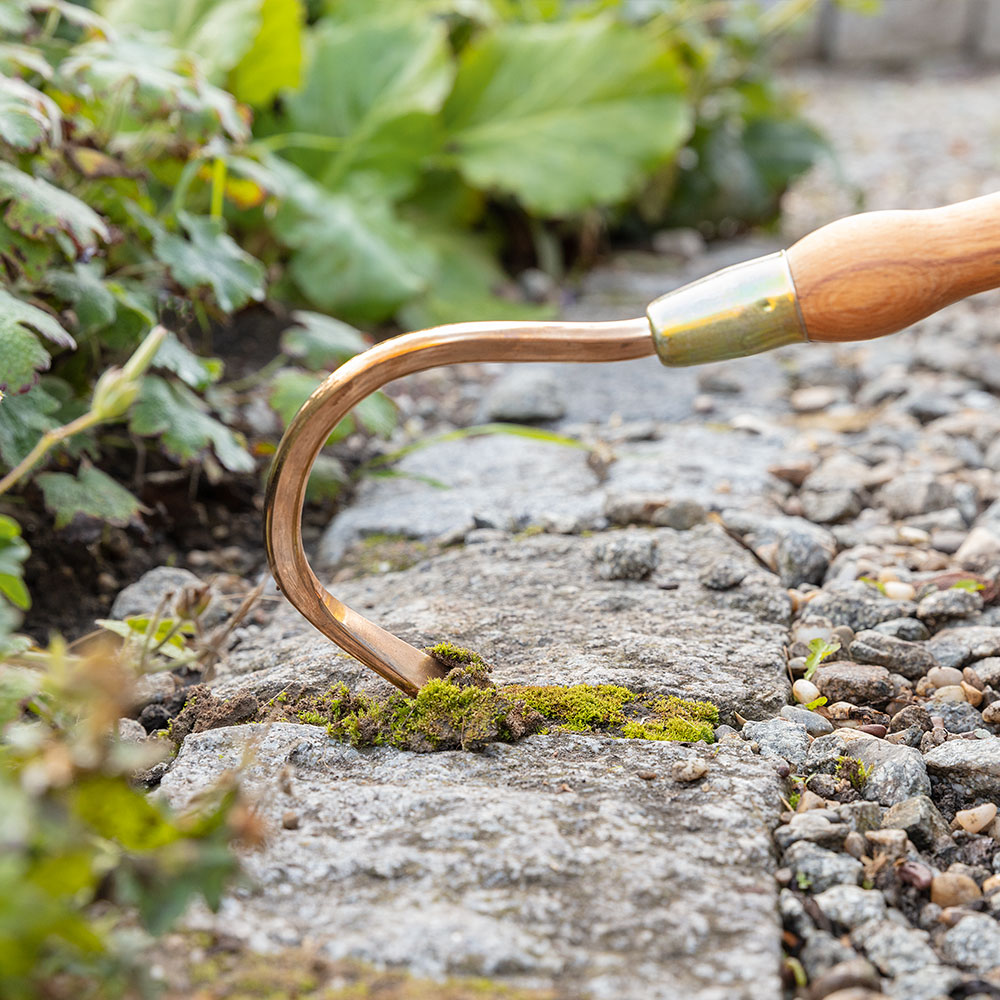
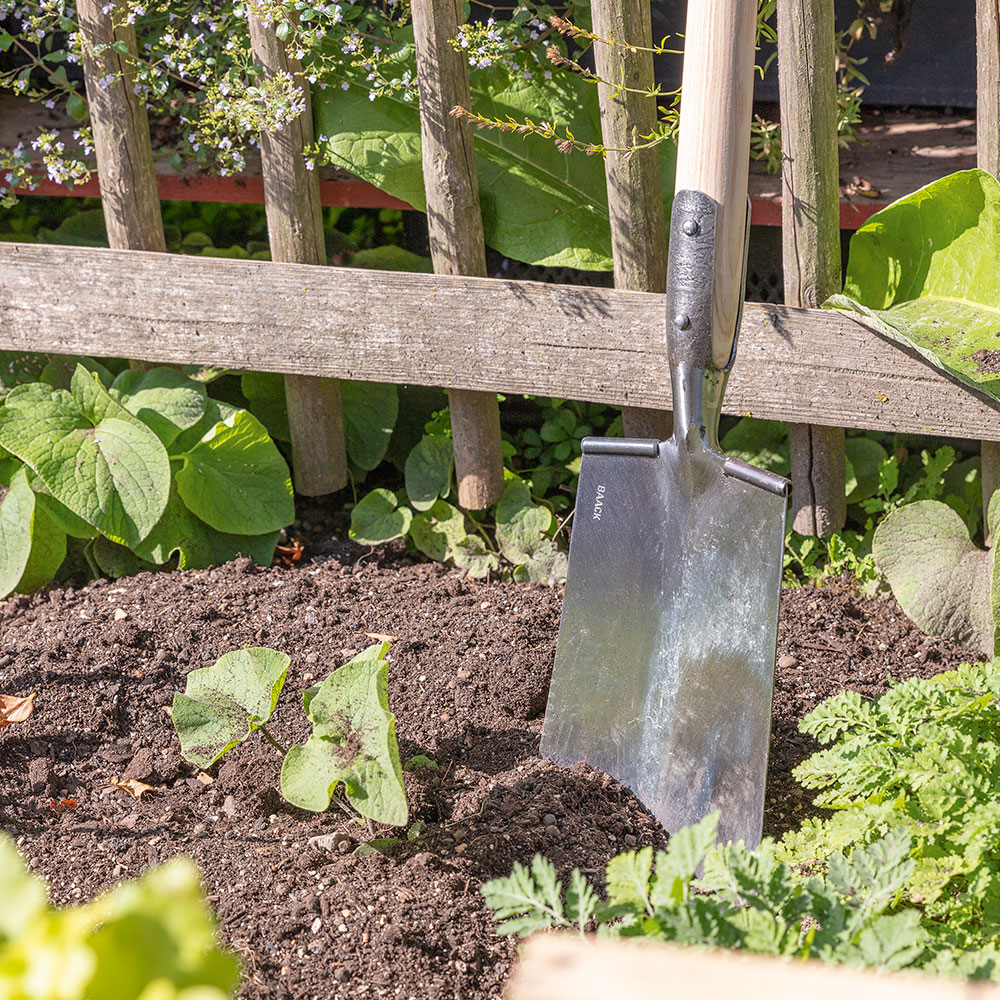
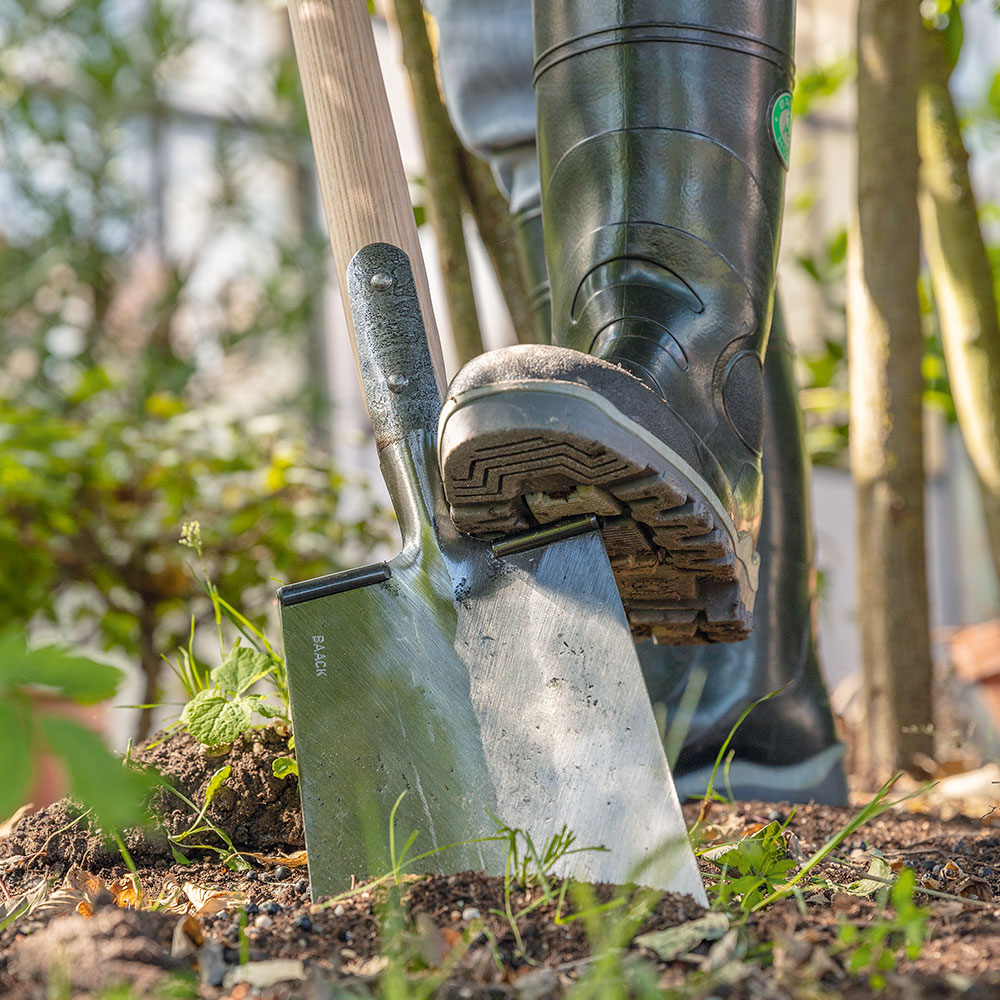
- Soil preparation: To prepare the soil for sowing and facilitate good growth, it must be loosened. This is an opportunity to remove unwanted overgrowth and weeds. Long-handled garden tools such as spades, shovels, hoes and rakes are usually used. Loosening is particularly efficient with a cultivator or a rake with three tines, a so-called cultivator. In loamy and stony soils, digging is easier with a digging fork than with a conventional spade. Weed cutters enable targeted control of unwanted vegetation - without any chemicals.
- Sowing and planting: Planting and sowing is precision work. To ensure successful growth, the seeds must be placed at the right depth in the prepared soil and the root ball of a seedling must have enough space to spread. For this purpose, some planting trowels have a sharpened and ground blade that can be used to gently separate the roots. Planting stakes, planting spikes and bulb prickers enable seeds, seedlings and flower bulbs to be planted with pinpoint accuracy.
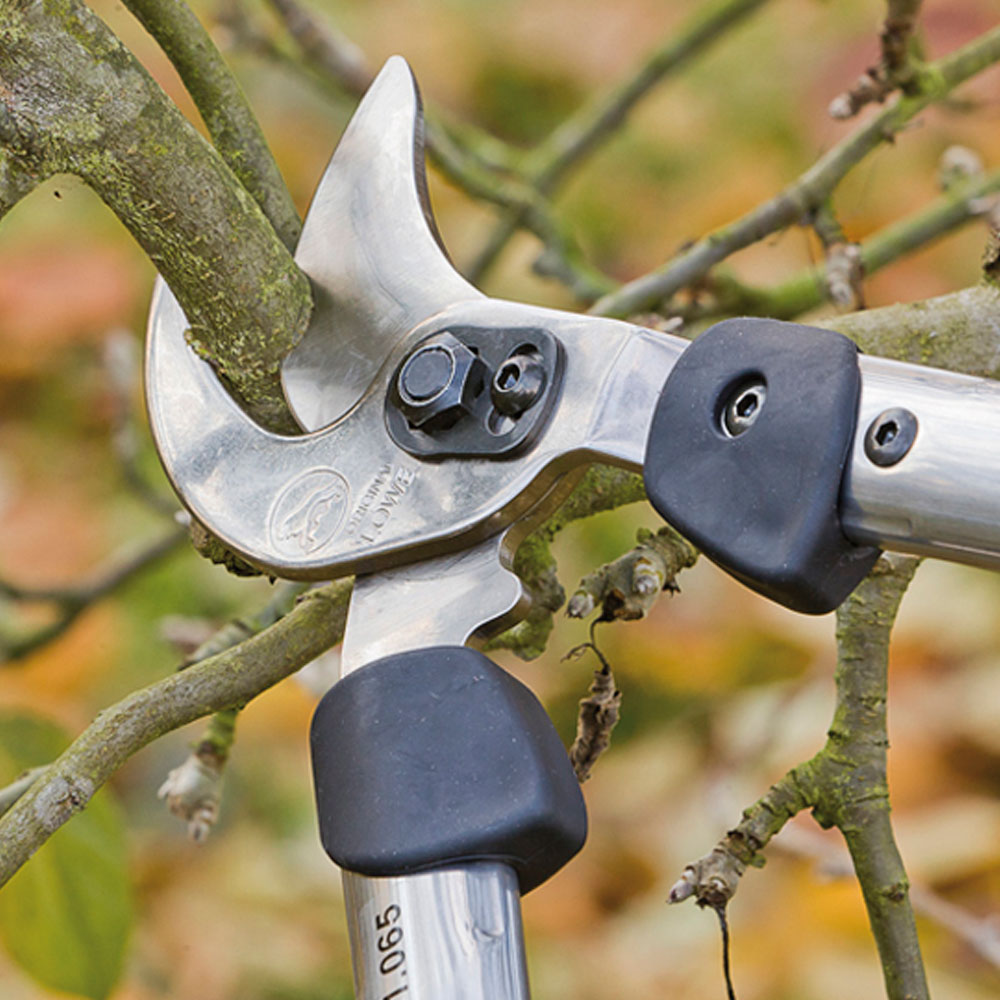
- Shrub and tree care: Shrubs and trees need to be pruned regularly to ensure yield and maintain their shape. A distinction is made between yield pruning and topiary pruning. For pruning shrubs and perennials, robust secateurs, loppers or hedge shears are usually sufficient. For larger shrubs and trees, you will also need a pruning saw or telescopic saw. You should pay particular attention to sharp tools when pruning fruit trees, as clean cuts with a smooth cutting surface heal better. This reduces the risk of pest and fungal infestation.
- Watering: Plants and seeds must be supplied with sufficient water when they are planted or sown in order to grow. Only with sufficient watering are they able to germinate and absorb nutrients from the soil. Sensitive plants and cultivated lawns need to be watered almost daily, especially in the dry months. A watering can or an appropriate garden hose with a suitable lawn sprinkler or watering rod can help here. Adjust the spray jet to the respective plant species. Not every plant can withstand a strong jet of water.
- Harvesting: Gardeners also have a wide range of gardening tools for harvesting. Berries and grapes are cut with secateurs, apples and pears are safely plucked from the trees with the long-handled fruit picker. With their slightly curved cutting edge, harvesting knives and harvesting sickles enable gentle cutting close to the base. Picking aprons and harvesting bags are practical garden tools, especially when harvesting fruit.
What gardening work needs to be done in which season?
Gardening is a wonderful activity that extends throughout the year. Each season brings its own tasks for the gardener. Here is a brief overview:
- In spring, it's time to wake up the garden. After the winter, the garden is cleared of leaves and other debris with rakes and brooms. Weeds are pulled, beds are loosened with hoes, spades and shovels and the soil is improved with compost. March is the time for sowing and planting. Most vegetables, flowers and herbs can now be put in the ground or planted as young plants in the bed. The lawn also needs care, scarifying and fertilising to bring it back into shape. Fruit trees and hedges can be pruned until the end of March.
- In summer, the main thing is to water regularly. Weeds must be removed so that the garden plants are not deprived of nutrients. During the growing season, plants need additional nutrients, which you can provide by fertilising regularly. Loosen up vegetable beds regularly to facilitate the transfer of moisture and nutrients. Withered inflorescences should be removed regularly to stimulate the formation of new flowers. Prune flowers and perennials with suitable flower shears or rose shears. Harvest time begins in July and you can enjoy your own fruit and vegetables.
- In autumn, fallen leaves need to be removed regularly to prevent diseases. Many perennials should be cut back now. Some bulb plants such as tulips and daffodils are planted from the beginning of September to mid-November. Prepare your garden for winter and bring plants indoors that are not hardy. Cut back trees and shrubs in autumn to prevent dangerous snow breakage in the event of heavy snowfall in winter.
- Winter is a rest period for most plants and gardening work. Fruit trees can also be pruned in winter, although wound healing is somewhat slower, but pests are also less active in the cold. The winter months are good for maintaining and repairing garden tools and planning the garden for the coming year.
What should you look out for when buying garden tools?
High-quality garden tools are not mass-produced goods. Their tines, cutting edges and blades are made of carbon steel, stainless steel or copper - in some cases forged by hand. Handles and handles are ergonomically shaped and solidly made from durable ash wood, hickory or high-quality plastic or composite material. You can also look out for the following quality features:
- Spare parts: Quality manufacturers make sure that their garden tools are durable and can be repaired if necessary. We have the right replacement saw blade for almost every Silky and Barnel pruning saws. We keep suitable Spare parts for many pruning shears directly in stock.
- Handle re-setting service: Axes and hatchets from our range can be re-set in our service centre and we have the right replacement handles in stock. We also offer handles for many garden tools such as rakes, hoes and scythes.
- Information and advice: Our customer service and the staff in our shops will be happy to advise you on choosing the right garden tools.