


Lino cutting tools


Lino cutting tools
EXPERT KNOWLEDGE LINO CUTTING TOOLS
Which lino cutting tools for beginners?
For beginners, we recommend the Power Grip lino cutting tools no. 710259 and the Pfeil brand tools specially designed for lino cutting. As Pfeil tools are available in different stitches and widths, they are also ideal for more advanced cutting techniques and patterns. The first tools here, using the Swiss Manufacturer as an example, should include the following tool widths / stitches:
- 700936 Linocut and woodcut knife, stitch L 15, V 45° / 2 mm: The V-parting tools is the tool for clear edges
- 700917 Linoleum and woodcut knife, stitch L 9 / 2 mm: Ideal for fine lines and detailed cuts
- 700906 Linoleum and woodcutting knife, stitch L 5 / 8 mm: Perfect for wider cuts and removing larger quantities of material
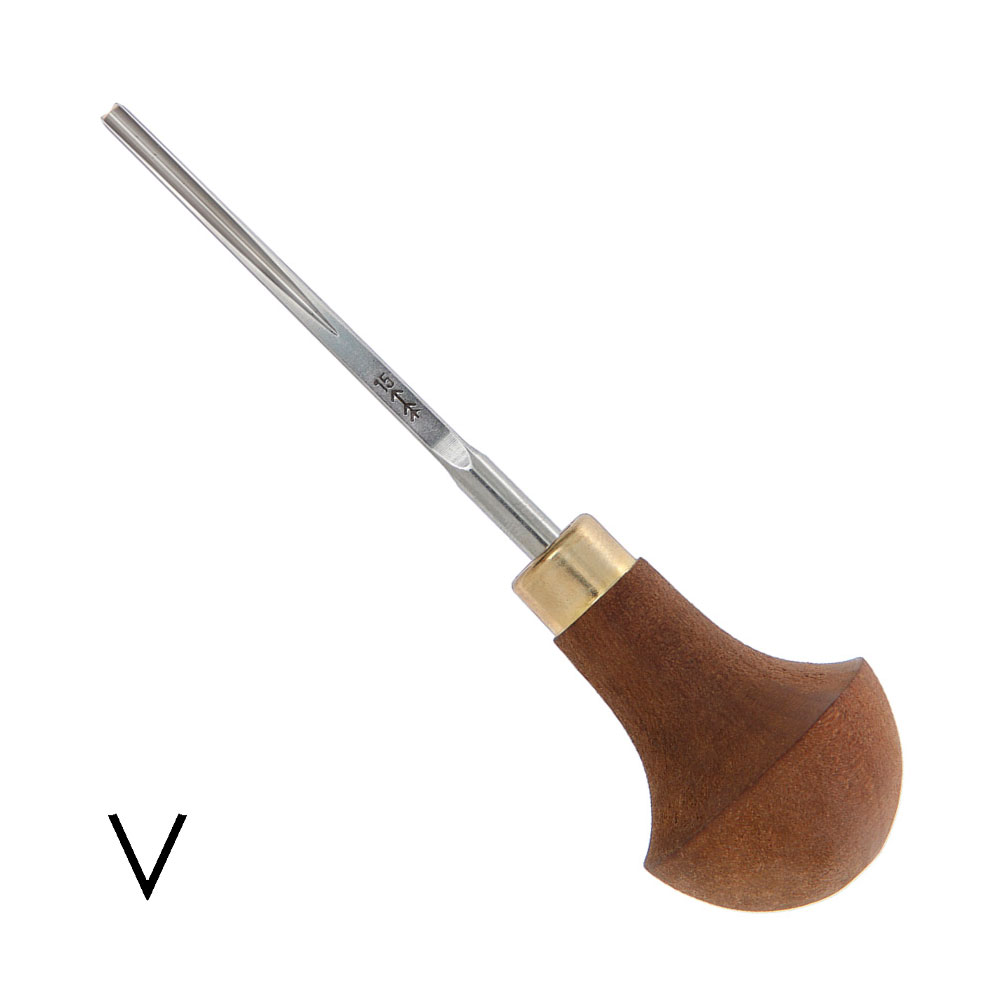
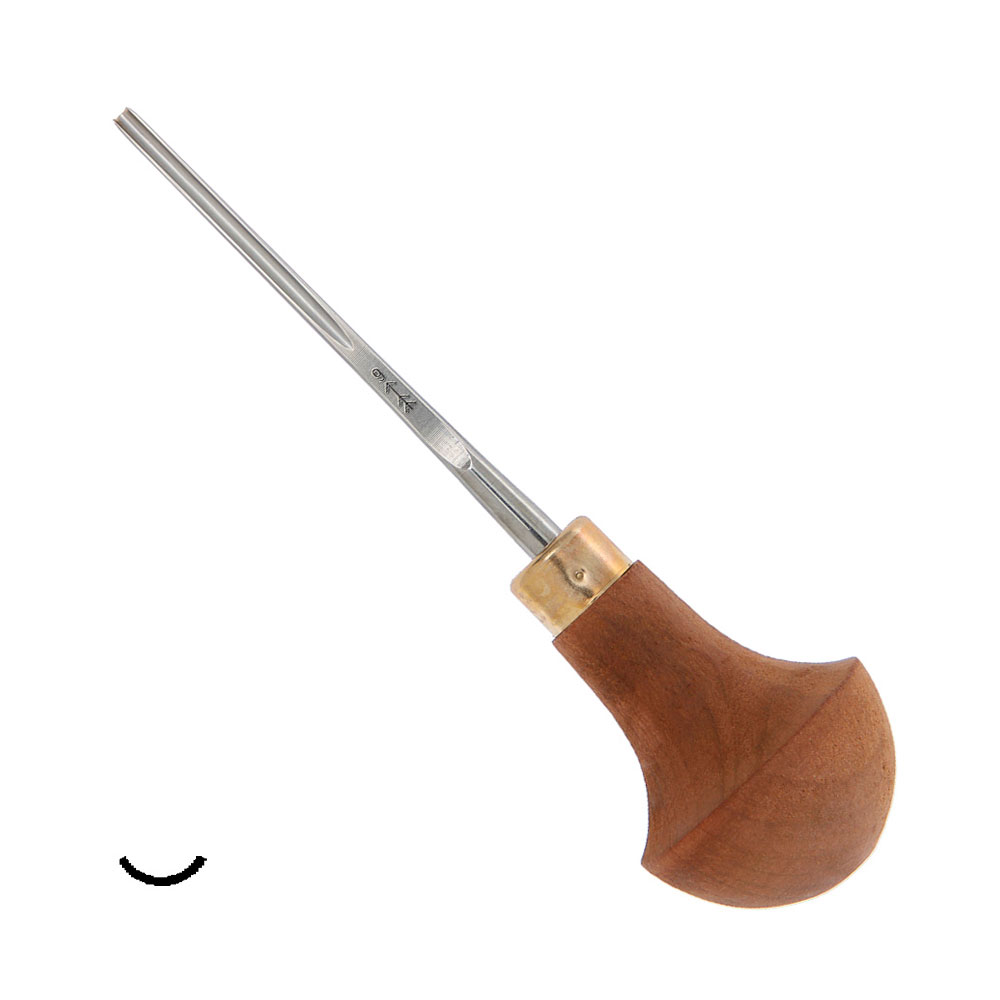

Choosing the right Lino cutting tools
In contrast to classic sculpting tools, linocut knives have blades with a shorter length. This allows them to be guided close to the workpiece. There are tools for woodcutting and lino cutting. Lino cutting tools can also be used for linocutting. Carving knives for linocut usually have somewhat weaker irons and are therefore only suitable for this intended use. The handle of the tool, especially if it is a wooden handle, should fit well in the hand and be comfortable to use. It is recommended that beginners buy high-quality tools, even if they are more expensive. Only with a tool that is sharp and easy to resharpen will you be able to enjoy your technique for a long time.
Care and maintenance of your Lino cutting tools
Regular care is essential to prolong the life of your tools. After each use, the blades should be cleaned and stored in a dry place. The wooden handles should also be regularly treated with a suitable oil. Well-maintained tools last longer and work better. Storing them in a protective case or wrapping them in a sleeve also helps to protect the blades. It is recommended to use a cutting mat or cutting board as a base. This protects the cutting edges as well as the workbench.
Lino cutting tools: Protect tool cutting edges

It is important to protect the blade to maintain its sharpness and functionality. A simple method is to put old wine corks on the blades when the tool is not in use. This prevents injury and protects the blades from damage.
How to sharpen linoleum cutting tools?

Sharpening your tools is crucial for precise cuts. Multiform stones are best suited for sharpening the outer contour with their straight side. After sharpening, the inner and outer contours are honed with a stone that matches the stitch and width. If the stone does not fit, it can be sharpened on a coarser stone. Matériau du manche can be sharpened or simply honed using polishing pastes on leather straps.
Linoleum, linoleum or ESSDEE SoftCut panels?
There are different materials for linoleum cutting. Classic linoleum is still popular today. However, depending on the manufacturer, it can be brittle and therefore difficult to work with. A plastic material that is slightly softer than linoleum and therefore easier to work with is called SoftCut sheet. It is also easy to clean.
Creative possibilities with lino printing
Printing with linoleum offers endless creative possibilities. From designing individual stamps to large-format print projects - the technique allows you to create unique works of art. With the right combination of tools, technique and creativity, impressive prints can be created that inspire both amateur artists and professional printmakers. Different types of paper and linoleum plates also offer a wide range of possibilities for different effects and textures.


Advanced techniques and tips for lino printing
Advanced users can achieve even more creative results with additional techniques and special tools. These include, for example, the use of different blade angles and depths to create shadows and depth effects. When creating stamps or large prints, switching between fine and wide blades can vary and refine the design. Different blades make it possible to create complex patterns and details that make printing with Linoeleum unique.

Safety when working with lino cutting tools

Safety is an important aspect when working with Lino cutting tools. Sharp cutting edges require careful handling to avoid injury. Wear cut-resistant gloves and make sure you always cut away from your body. Keep the tools out of the reach of children and regularly check the condition of the cutting edge to ensure that it is not damaged or blunt.
