
Violin mutes / mutes for string instruments


Violin mutes / mutes for string instruments
EXPERT KNOWLEDGE VIOLIN MUTES / MUTES FOR STRING INSTRUMENTS
Mutes are mainly used to reduce the volume of an instrument. A distinction is made between playing mutes and practice mutes:
- Playing mutes are designed for use during a piece of music. They only reduce the volume to a limited extent and are primarily used to modify the sound as a stylistic device to give the piece a special character.
- Practice mutes, on the other hand, reduce the volume significantly more. They are ideal for rehearsal situations in which consideration must be given to the surroundings, e.g. in flats and hotel rooms with high noise levels. The degree of attenuation and handling are often subjective. Musicians have individual preferences as to which models they prefer.
Types of mutes for string instruments and how to attach them:

1. ebony comb
- Models: #541812, #541612
- The ebony comb is placed over the bridge and removed when not in use. Make sure to place the mute evenly so as not to stress the wood and the strings. Remove the mute when not in use and store it in a safe place. It is particularly suitable for musicians who value a traditional look and natural materials.

2nd Tourte damper
- Models: #543512, #543412
- Classic mute, available in variants for violin and other string instruments.
- Mounted between the second and third string. Press it lightly but firmly onto the strings so that it sits securely. It can remain on the instrument when not in use and is simply slid onto the bridge when needed. Tourte mutes are known for their ease of use and durability.

3. wire damper
- Models: #543212
- Position the wire mute behind the bridge on the strings. To dampen the sound, push it gently forwards onto the bridge. This violin mute offers a slightly stronger damping effect than the Tourte mute, but avoid repeated strong shifting to minimise string abrasion.
Types of exercise attenuators
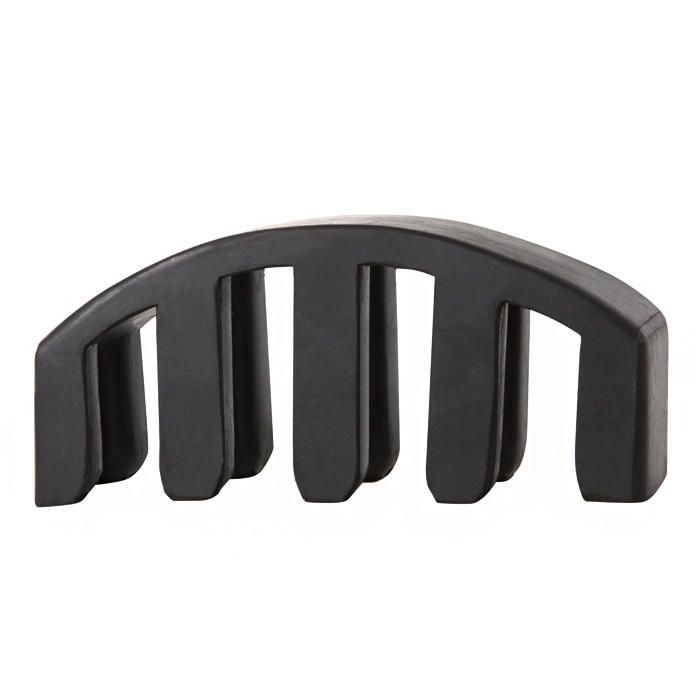
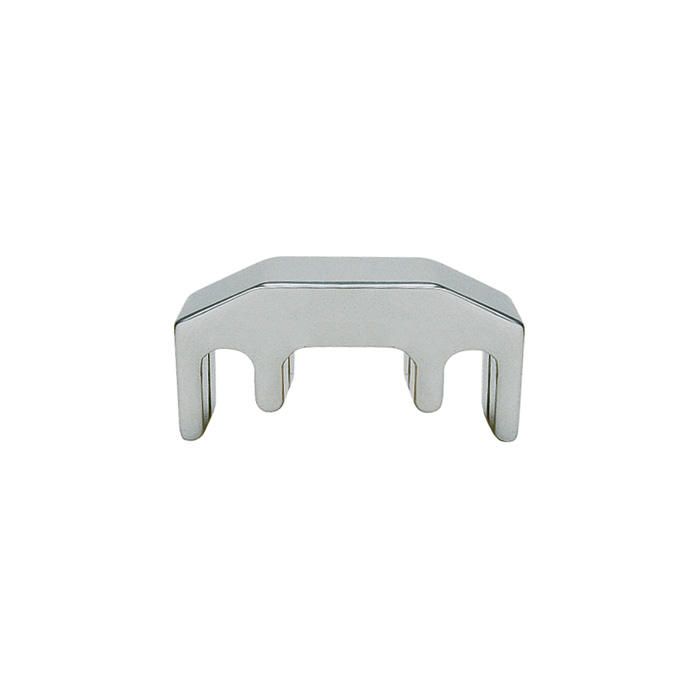
Attaching the violin mute
Correct installation of the damper is essential to ensure optimum function and protection of the instrument. Here are some tips: Regardless of the model, you should make sure that the mute is fitted firmly but not too tightly to avoid damaging the bridge, strings or other parts of the instrument.
Use and advantages of the different models
The choice of the right mute depends on the individual playing situation and personal preferences. Playing mutes are ideal for use in ensembles or orchestras where certain passages require a muted sound. The ebony comb gives the sound a natural nuance, while the Tourte mute scores with its versatility and ease of assembly. The wire mute offers a more pronounced change in sound, but should be used with caution due to the possibility of abrasion.
Practice mutes are essential for practice playing in noise-sensitive environments. The rubber comb is ideal for everyday practice situations, while the metal comb is ideal for extremely quiet requirements. The magnetic mute also offers an innovative solution for musicians who want easy handling and secure attachment.
Selection criteria and maintenance
The decision for a mute should be made on the basis of material, degree of damping and handling. Wooden models such as the ebony comb are particularly popular with musicians who prefer a traditional sound. Rubber and metal models offer different levels of damping, while magnetic mutes stand out due to their innovative functions.
To care for the mutes, it is advisable to clean them regularly to remove dirt and dust, especially metal models, which can be susceptible to corrosion. String abrasion can be minimised by careful handling.
Violin mutes and mutes for string instruments in general are versatile accessories that help musicians to customise their sound and volume. Whether as a playing mute for tonal effects or as a practice mute for considerate practising - the various models offer a wide range of possible uses. Musicians should make their choice based on their needs and preferences in order to get the most out of this practical tool.
